About airPM
Philosophy
Every night, PAP devices generate detailed therapy data on every patient a practice follows. The tools built around that data were designed to review patients one at a time. Managing a whole sleep population, hundreds or thousands of patients on nightly therapy, is a different job, and it has never had purpose-built software.
airPM is that software. It pulls nightly therapy data from patients' devices and runs it against protocols the practice defines. Patients who meet the practice's criteria for attention appear on a prioritized worklist each morning. From there, the platform provides everything needed to act: tools to reach patients by phone or text, structured documentation of each intervention, CMS-compliant consent capture, and automated charge generation for remote patient monitoring. The work of managing the population becomes organized, measurable, and financially sustainable.
The moment that matters most is when a patient is clearly not succeeding. Half of patients abandon PAP within a year, and most of them quit quietly. airPM surfaces these patients while there is still time to intervene, so that instead of giving up, the patient has a conversation with their care team about what to try next.
The platform identifies which patients are candidates for which therapies. The decision stays where it belongs, between clinician and patient.
Sleep apnea is the starting point, not the boundary. The same infrastructure of nightly data, protocol-driven worklists, and structured outreach extends naturally to the conditions that travel with it, beginning with comorbid insomnia.
James Andry, MD
Founder
About the Founder
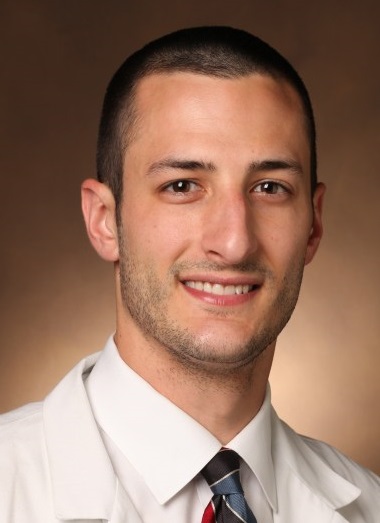
James Andry, MD is a board-certified sleep neurologist and clinical informaticist. He trained in neurology and sleep medicine at Vanderbilt, where he later served as Assistant Professor in the Division of Sleep Medicine while completing a Master of Science in Applied Clinical Informatics. As an Epic Physician Builder and Clinician Champion, he spent years building the tools clinicians actually use: clinic workflow reporting, structured intake questionnaires, and outcomes tracking infrastructure. He has practiced medicine in academic, private practice, and Veterans Affairs settings, managing sleep-disordered breathing across very different patient populations and care models.
His published research examined PAP adherence across 14.1 million therapy-nights and found that patients managed by an integrated sleep practice remained on therapy at a 52% rate after one year, compared to 33% for patients supplied through a traditional equipment channel. The finding is simple and important: how a sleep population is managed changes whether patients stay on therapy. airPM is that finding, built into software.
He founded airPM because the clinical problem and the software solution were both visible to him at once, and he was in a position to build the answer himself.
Get in touch